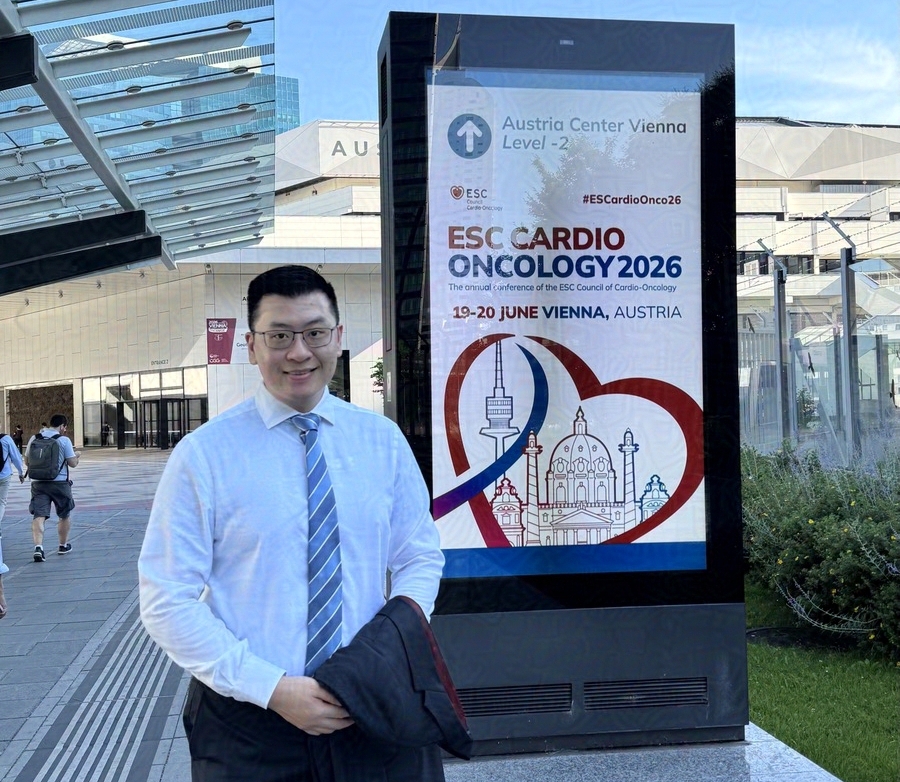
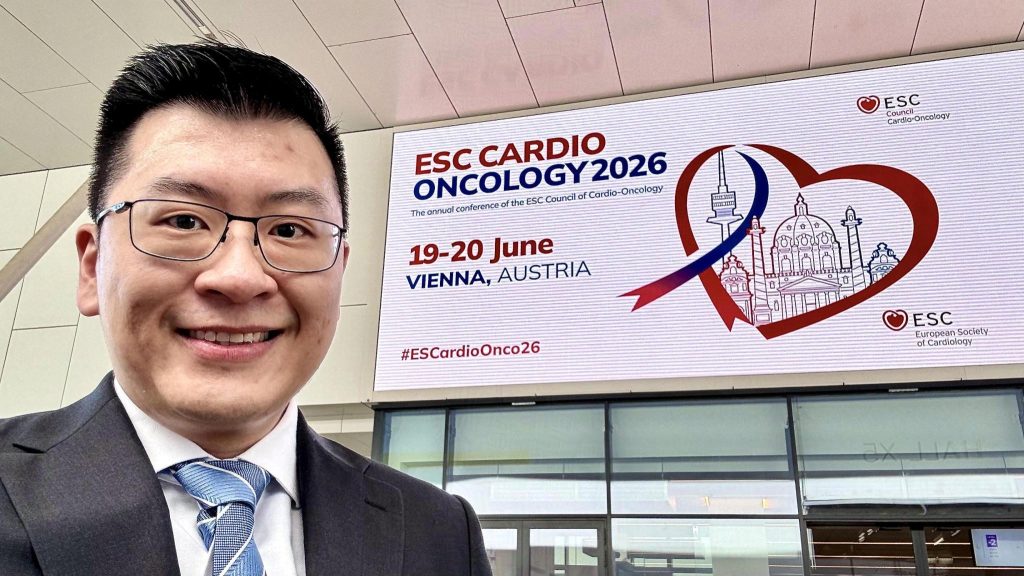
I recently attended ESC Cardio-Oncology 2026 in Vienna. Alongside other major international gatherings like Global Cardio-Oncology Summit, the ESC Cardio-Oncology Conference remains a vital forum for experts at the intersection of cardiology and cancer care.
This trip wasn’t just about presenting research; it was about deepening my understanding of complex clinical intersections from clotting disorders in blood cancers to the role of exercise in survivorship and bringing back actionable insights for our clinic in Brisbane. In this post, I’ll share the scientific highlights and how they shape the care we provide locally.
One of the most meaningful aspects of the conference was reconnecting with colleagues specialised in the cardio-oncology field, and my mentors, whose work continues to influence my own. My mentors delivered highlighted presentation sessions that set the scientific tone for the meeting:
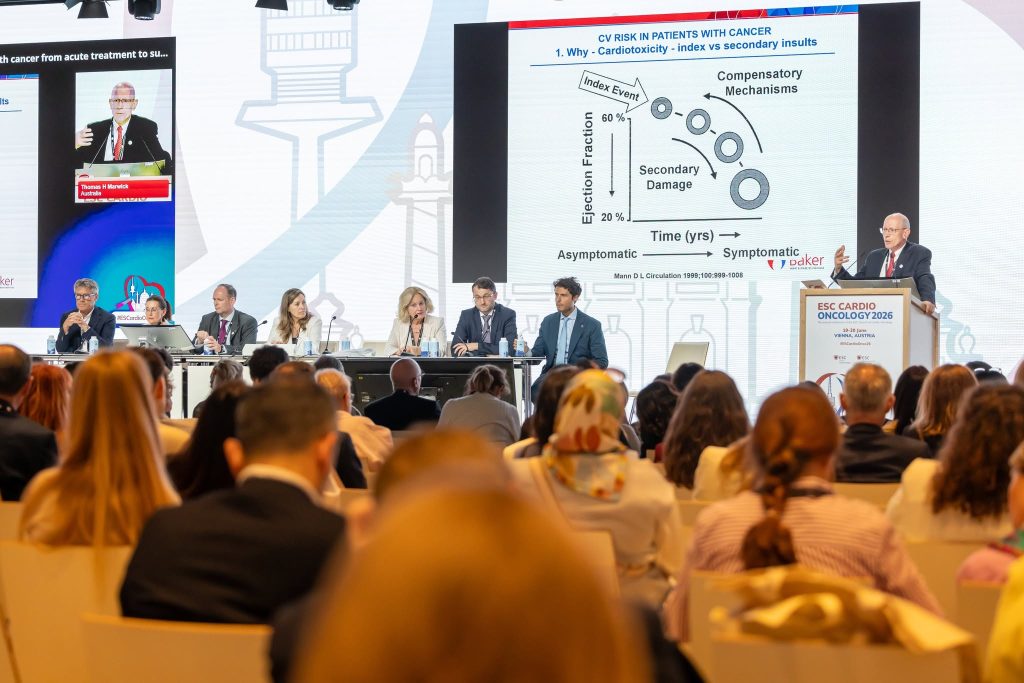
Opening ESC Cardio-Oncology Lecture: Professor Tom Marwick
It was a privilege to attend the opening lecture delivered by Professor Tom Marwick. Prof Marwick was my PhD supervisor at the Baker Department of Cardiometabolic Health, University of Melbourne and it’s an honour to now collaborate as peers. Prof Marwick has recently taken on the role of Editor-in-Chief of the new European Heart Journal: Cardio-Oncology.
His presentation focused on predicting cardiovascular risk across the cancer journey, from acute treatment to long-term survivorship. The key message resonated deeply: cardiovascular risk is dynamic. It doesn’t disappear when treatment ends, and we need better tools to identify high-risk survivors who remain vulnerable to heart disease decades later.
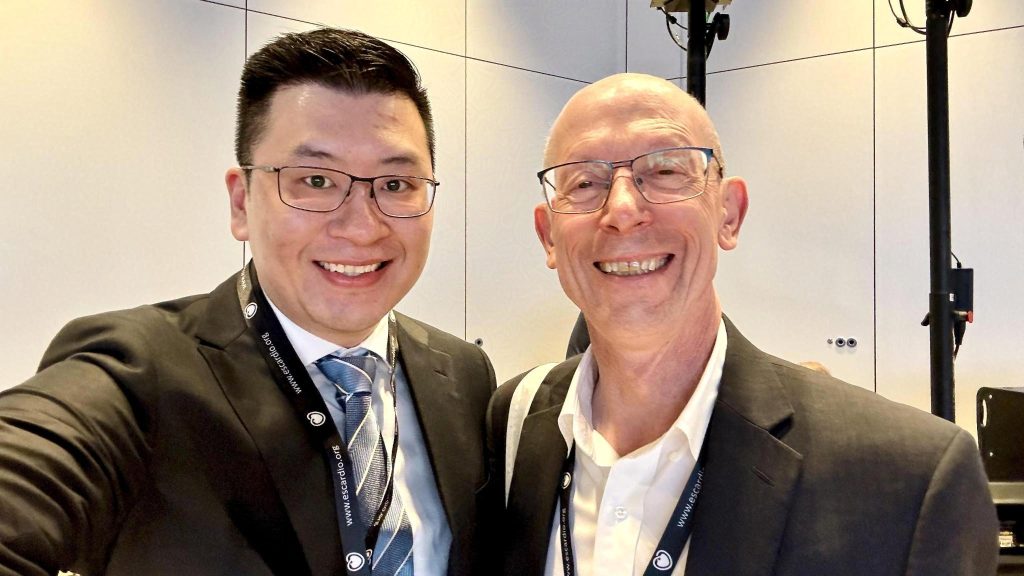
Integrating Multimodality Imaging: Professor Dinesh Thavendiranathan
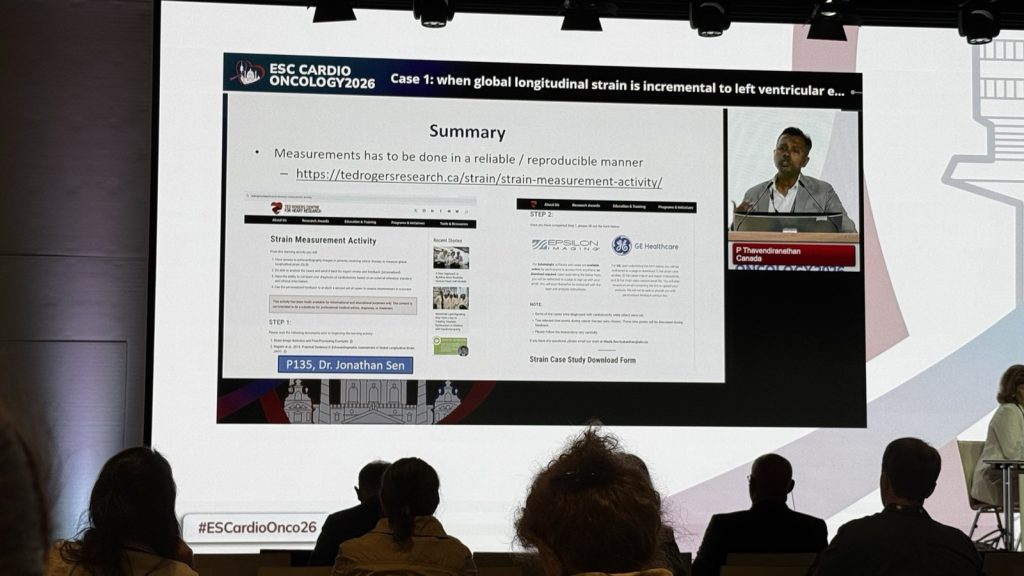
Another highlight was the session on “Integrating multimodality imaging in clinical practice,” which featured Professor Dinesh Thavendiranathan. Prof Thavendiranathan was my supervisor during my cardio-oncology fellowship at the University Health Network in Toronto. He presented a case titled “When Global Longitudinal Strain is Incremental to Left Ventricular Ejection Fraction.“
Ejection Fraction (EF) is a standard echocardiographic measure of the heart’s pumping efficiency, which is the percentage of blood pumped out of the left ventricle with each contraction. Global Longitudinal Strain (GLS) is a more sensitive imaging technique that measures how well the heart muscle (myocardial) fibres shorten and lengthen, detecting subtle dysfunction invisible to EF. Prof Thavendiranathan demonstrated how GLS can detect early myocardial changes even when EF is preserved, allowing for earlier intervention. This reinforced a critical lesson I learned during my cardio-oncology fellowship: A normal EF does not guarantee a healthy heart. His approach to using imaging to guide therapy mirrors the standards I strive for here in Brisbane.
My Contribution: GLS Educational Intervention
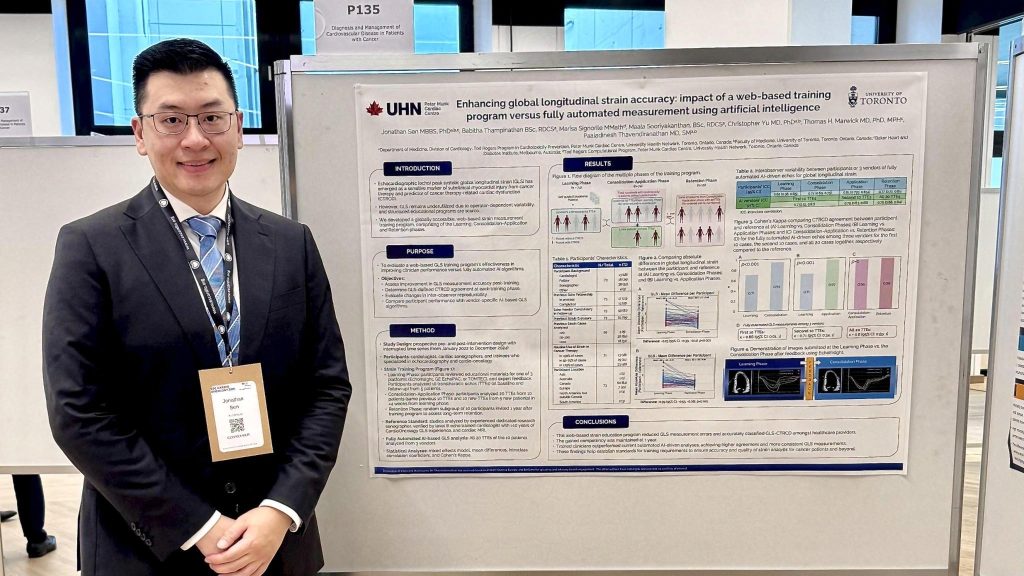
I also presented our collaborative work on GLS accuracy as a poster. We investigated whether a structured web-based training program could improve echocardiographic strain measurement consistency compared to fully automated AI-driven analysis. Our preliminary data suggests that clinician training significantly improves diagnostic agreement for cancer therapy-related cardiac dysfunction (CTRCD).
For those interested in this work, please refer to our abstract and poster and look out for the full manuscript submission to a peer-reviewed journal coming soon.
Cardio-Haematology: The Critical Intersection
While solid tumours often dominate discussions, the management of blood cancers presents unique challenges where cardiology and haematology must tightly collaborate. Several sessions highlighted this specific niche.
Ageing, Cancer, and the Heart
Dr. Nina Rosa Neuendorff (Marien Hospital Herne, Germany) discussed the complexities of treating older adults with concurrent cancer and cardiovascular disease. Her key messages were:
- Antiplatelet therapy during thrombocytopenia requires individualized management plans. Critically, thrombocytopenia does not preclude thromboembolic events—patients can still clot despite low platelets, making blanket cessation of antiplatelet agents dangerous. Each case needs a tailored approach balancing bleeding and thrombotic risk.
- Drug-drug interactions are easily overlooked. Dr. Neuendorff highlighted the drug-drug interactions with BTK inhibitors (e.g., ibrutinib) and venetoclax, such as CYP3A4 inhibitors (atorvastatin, amiodarone) and anticoagulants (such as apixaban). BTK inhibitors can induce atrial fibrillation and carry significant bleeding risks. Her practical advice: always consider drug-drug interactions, and involve your pharmacist in complex cases.
- Exercise is key. Improved survival, better cancer control, and reduction of cardiovascular risks all hinge on maintaining physical activity, even in older, frailer patients.
Clonal Haematopoiesis and Shared Mechanisms
Dr. Kristina Kirschner (Mayo Clinic) presented on Clonal Haematopoiesis (CH). This phenomenon, where somatic mutations accumulate in blood stem cells with age, is a shared mechanism linking cancer and cardiovascular disease.
- The Link: CH carriers have a ~2-fold higher risk of coronary heart disease.
- Mechanism: Mutations (e.g., TET2, DNMT3A) drive inflammation via the NLRP3 inflammasome, accelerating atherosclerosis and heart failure.
- Implication: This inflammation is independent of traditional risk factors and may explain why some cancer survivors develop heart disease despite good cholesterol control.
Thrombophilia Testing in Cancer
Dr. Cihan Ay (Medical University of Vienna) addressed a common clinical question: “Should patients with cancer be tested for inherited thrombophilia?”
- Key Message: Routine inherited thrombophilia testing (e.g., Factor V Leiden) rarely changes anticoagulation decisions in cancer-associated VTE.
- Reason: Cancer itself is a much stronger prothrombotic stimulus (7-14-fold higher risk) than inherited factors.
- Practice: Management is driven more by cancer status, bleeding risk, and renal function than genetic testing results.
The Great Debate: SGLT2 Inhibitors in Cardio-Oncology
One of the most engaging sessions was the debate on “Time to use SGLT2-inhibitors in cardio-oncology?“ This class of drugs (e.g., empagliflozin, dapagliflozin) is established for heart failure and diabetes, but their role in preventing chemotherapy heart damage is evolving.
Professor Borj Ibanez (CNIC & Hospital Fundación Jiménez Díaz, Spain) shared how mechanisms of cancer therapy-related cardiac dysfunction (CTRCD) vary across cancer treatments. There is also experimental evidence showing SGLT2 inhibitors can protect from anthracycline-induced CTRCD by preventing metabolic derangements.
| Perspectives | Key Arguments |
|---|---|
| PRO (Prof. Vassilios Vassiliou, University of East Anglia, Norwich, United Kingdom) | Strong mechanistic evidence (improved metabolism, reduced inflammation). Observational data shows reduced HF hospitalizations in cancer cohorts. SGLT2 inhibitors have consistently demonstrated benefit across different patient populations (heart failure, diabetes, chronic kidney disease). |
| CON (Dr. Anju Nohria, NYU Langone Hospitals – Manhattan) | Cancer patients were excluded from major cardiovascular RCTs. Unique safety risks (dehydration, infection, ketoacidosis) in immunocompromised patients. CTRCD is heterogeneous, not conventional heart failure. Evidence in observational studies is inconsistent and hypothesis generating. Need for dedicated, adequately powered RCTs. |
My View: The biological rationale is compelling. For patients already meeting standard indications (e.g., heart failure, diabetes, chronic kidney disease), the benefit is clear. For prophylactic SGLT2 inhibitor use in healthy hearts before chemotherapy, we await further trial data before making it universal standard care.
Exercise as Medicine
The “Exercise in cardio-oncology” session presented by Dr. Carlo Gabriele Tocchetti, Mr. Michail Elpidoforou, and Dr. Hasnaa Belghiti, underscored that exercise is not just safe. It’s therapeutic for cancer patients.
- Core Benefits: Reduces fatigue, improves functional capacity (VO₂ max), and enhances quality of life.
- Timing: Ideally start before treatment (prehabilitation), but do not wait. The best time is whenever the patient is stable enough to begin.
- Prescription: Evidence supports supervised, cardio-oncology rehabilitation and exercise (CORE) programs over community-based recommendations alone. Typical regimens include 150 mins/week of aerobic activity plus resistance training. See my post about exercise in cardio-oncology here.
Bridging Specialties: A Highlight on Global Partnerships
One of the standout highlights came during the symposium called “Cardio-oncology worldwide – bridging gaps, breaking barriers.“ This session featured three presentations that each addressed a critical dimension of the field.
Dr. Teresa López-Fernández (Madrid, ES) discussed “Randomised trials in cardio-oncology: what evidence do we need next?”, advocating for pragmatic, integrated trials that include real-world high-risk patients and measure whether structured cardio-oncology care helps deliver cancer treatment safely. Professor Aaron Sverdlov (Newcastle, AU) presented “Global inequities in cardio-oncology care: where are the gaps?”, highlighting how the double burden of rising cancer incidence and cardiovascular disease is shifting fastest to regions least equipped with cardio-oncology infrastructure, a powerful reminder that advocacy and capacity-building must accompany scientific advances.
And Dr. Suzanne Dent (Rochester, US) presented “Oncologists and cardiologists working together: lessons from successful partnerships,” illustrating how true progress relies on breaking down silos between specialties to create unified care pathways, emphasising concepts like “permissive cardiotoxicity”, where managing cardiac toxicity enables patients to remain on life-saving cancer therapy rather than stopping treatment prematurely.
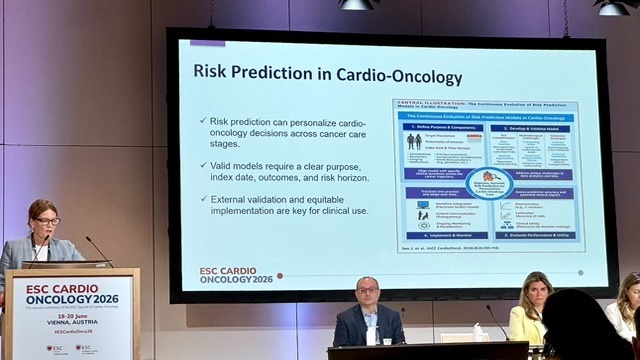
One of Dr. Dent’s slides featured my recent paper, “Risk Prediction in Cardio-Oncology: Conceptual and Methodological Considerations” published in JACC: CardioOncology (Link). Seeing my work cited in this context was humbling and underscored a key takeaway from the entire symposium: we are building a global framework together. Whether through better trial design, addressing inequities, or fostering clinical partnerships, the message was clear: the best outcomes happen when cardiologists and oncologists communicate openly and systematically about risk prediction, monitoring, and management.
Why This Matters for Brisbane Patients
International evidence is only valuable if it translates to local care. Here’s how what I learned in Vienna improves patients’ experience in Brisbane:
- Haematology Collaboration: For patients on newer blood cancer therapies (BTK inhibitors, Venetoclax), I assess drug-drug interactions and ensure coordinated monitoring for arrhythmias and bleeding risks.
- Risk Stratification: I assess risk for immune-related toxicities, ensuring high-risk patients get closer surveillance.
- Rehabilitation Referrals: I increasingly discussing exercise plans with patients early in their treatment journey, referencing CORE principles to optimize recovery.
- Precision Imaging: I continue to utilise GLS imaging alongside standard EF to catch early warning signs of cardiotoxicity, ensuring we don’t miss subtle changes.
Looking Ahead
The field of cardio-oncology is evolving rapidly. I look forward to continuing these conversations at future national and international meetings and sharing updates from my cardio-oncology program.
If you are a colleague or referrer interested in discussing these advancements, or a patient with questions about your treatment plan, please reach out.
Frequently Asked Questions from Patients
Not necessarily. As highlighted in Dr. Thavendiranathan’s presentation, Global Longitudinal Strain (GLS) can detect subtle muscle changes before Ejection Fraction drops. We use GLS to catch early warning signs of chemotherapy-related cardiac dysfunction.
Generally, no. As discussed by Dr. Cihan Ay, cancer itself is a strong driver of clotting risk. Routine genetic testing (like Factor V Leiden) rarely changes anticoagulation decisions in this setting, so we focus more on cancer status and bleeding risk.
Currently, we consider this on a case-by-case basis. If you already have indications for these drugs (like heart failure, diabetes, or chronic kidney disease), they are beneficial. For healthy hearts, we are awaiting dedicated randomized trials to confirm safety and efficacy specifically for chemotherapy protection.
Yes, in most cases. Sessions by Dr. Tocchetti and Mr. Elpidoforou emphasized that exercise is safe and therapeutic. We recommend individualised plans (often starting before treatment begins), but always in consultation with your oncology team to account for blood counts and fatigue.
These medications can interact with other drugs, heart rhythm and blood thinning. Dr. Neuendorff’s session highlighted the need for careful monitoring. We regularly review your medications for potential interactions and monitor for signs like atrial fibrillation or bleeding.
At Premier Cardiology, Suite 76, Level 3, Sandford Jackson Building, 30 Chasely Street, Auchenflower QLD 4066. Appointments: (07) 3311 1633.
Reference
ESC Cardio-Oncology 2026 Conference Programme. European Society of Cardiology. Vienna, June 2026.
This article is for educational purposes only and does not replace individualised medical advice. Always consult your treating team for personal health decisions.